


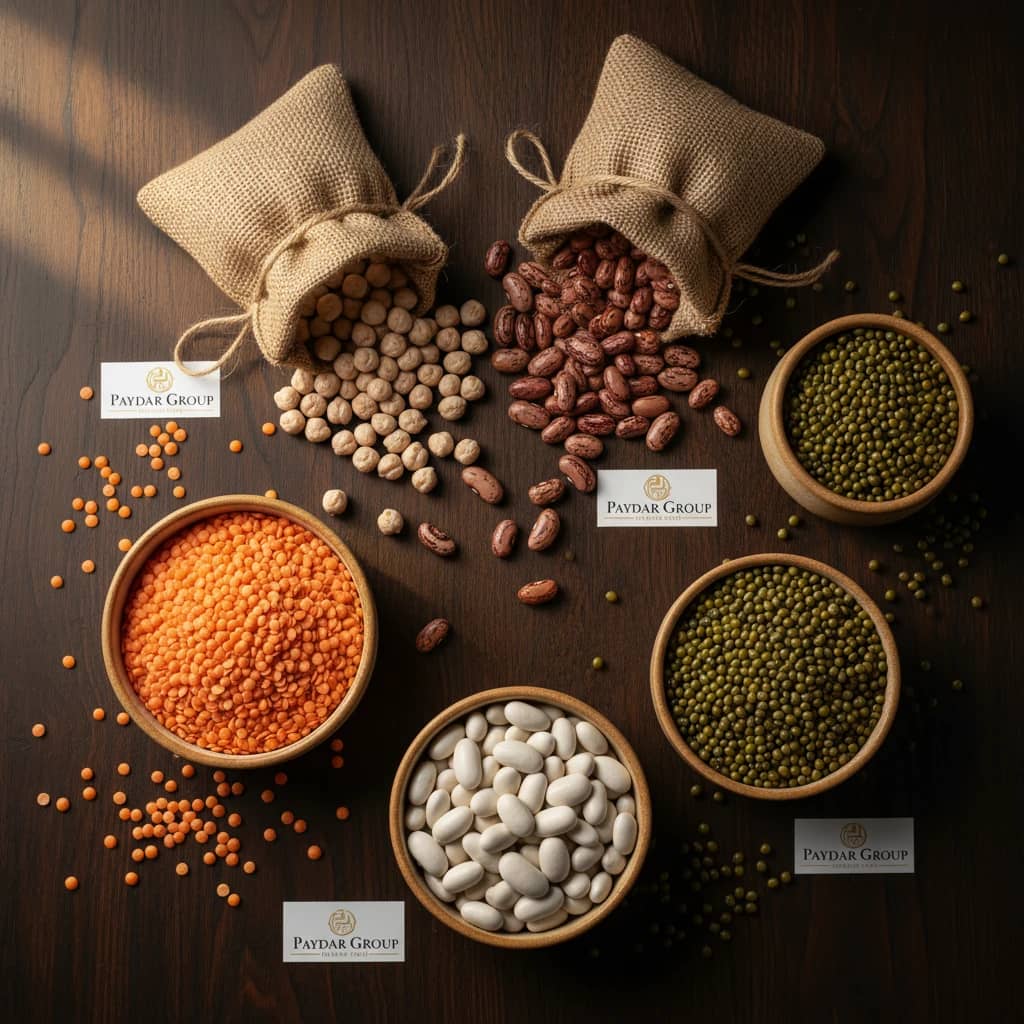
The Golden Source of Health and Sustainable Nutrition
Legumes are a treasure trove of plant-based proteins and minerals, integral to the diets of civilizations for thousands of years. Chickpeas, beans, lentils, and mung beans are not only daily staples but are increasingly recognized today as scientifically, ethically, and economically viable alternatives to meat.
⚗️ Nutrient Composition and Meat Alternative Role
Each 100 grams of dried legumes (e.g., lentils or beans) contains approximately:
- 🔹 Plant Protein: 22–26 g — high quality, well absorbed, and combined with grains provides essential amino acids, especially lysine.
- 🔹 Non-heme Iron: ~7 mg — supports red blood cell production, comparable to the iron in red meat.
- 🔹 Magnesium, Potassium, Zinc, and Phosphorus: vital for metabolism, blood pressure regulation, and brain function.
- 🔹 Soluble Fiber: up to 10 g — helps regulate blood sugar, reduce cholesterol, and support gut health.
- 🔹 Fat and Cholesterol: 0 g
This composition makes legumes a scientifically recommended alternative to red meat in vegetarian diets, for heart patients, and pre-diabetic individuals. When combined intelligently with rice or whole grain bread, their protein provides essential amino acids on par with meat.
🌍 Top Legume-Producing Countries
Today, the quality of legumes depends not only on soil and water but also on strict quality standards. Leading producers include:
- 🇮🇳 India: largest producer of lentils and chickpeas; strong flavor and tender texture.
- 🇨🇦 Canada: cold climate, high-protein legumes with thin skins; popular in Europe and the Middle East.
- 🇹🇷 Turkey: industrial-scale controlled production; source of white beans and polished lentils.
- 🇮🇷 Iran: Zagros and Khorasan regions; source of Kermanshah chickpeas and naturally aromatic pinto beans.
- 🇰🇬 🇺🇿 Pakistan and Uzbekistan: economical prices, suitable for mass consumption and food industries.
🇮🇷 Why Iran is Active in Global Legume Trade
- Imports: Iran imports part of its legume needs from Canada, India, and Turkey due to seasonal production limitations and climatic constraints. Imported legumes provide high protein quality, low breakage, and meet industrial demands for canned goods, plant-based products, and dietary supplements.
- Exports: Iranian legumes, especially chickpeas and lentils from Khorasan and Kermanshah, are exported to Saudi Arabia, UAE, Qatar, and Oman due to their natural flavor, bright color, and high purity (>98%). Iran’s lower production costs and mineral-rich soil give it strong price competitiveness.
💰 Economic Aspect: Legume exports are fully tax-exempt under Article 141 of Iran’s Direct Tax Law. Export revenue can be used under central bank regulations to finance imports of other food products or packaging materials.
📦 Premium Zarrin-Ganj® Packaging and Branding
At Paydar Pars Parmis Co., legumes are sorted, moisture-controlled, and packaged in 400gsm black-matte kraft bags with gold foil printing for both domestic and export markets. Packaging features:
- Eco-friendly moisture-proof inner layer
- Laboratory health certification (free from heavy metals and pesticide residues)
- Minimalist, premium design tailored for Gulf and European markets
🔬 Laboratory Safety
All samples are tested in our food lab before packaging to ensure no fertilizers, pesticides, or toxins are present. Only products passing the Negative Residual Test enter Zarrin-Ganj® packaging lines.
Zarrin-Ganj® — From Iranian soil to global markets; a symbol of health, integrity, and sustainable nutrition.h, integrity, and sustainable nutrition.